Petrol Can Sell For N200 — Fuel Subsidy Scam And Elite Conspiracy Unravel ||▪︎ By Femi Adebisi JP
By Femi Adebisi JP
September 27, 2026
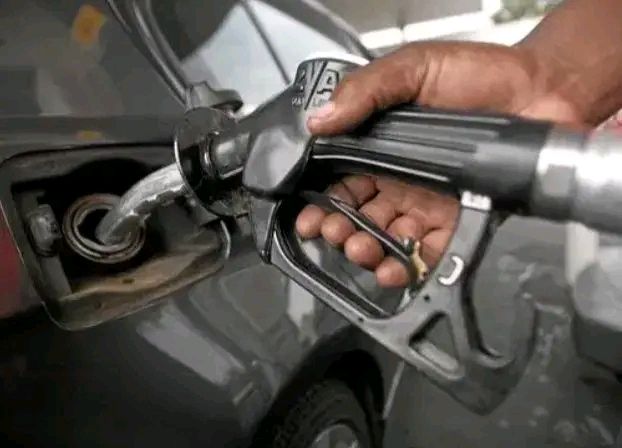
The recent declaration by Donald Duke, former Governor of Cross River State and 2027 PRP presidential candidate, that petrol can be sold for as low as ₦200 per litre without subsidy, demands a profound and unflinching interrogation of Nigeria’s fuel subsidy regime and the entrenched elite interests that have long profited from it.
This is not merely a policy debate; it is a clarion call to expose a systemic economic injustice that has burdened ordinary Nigerians for decades under the guise of “subsidy.”
The Statistical Reality: A Stark Contradiction to the Status Quo
Duke and Governor Makinde’s argument rests on an incontrovertible statistical foundation:
– Nigeria produces approximately 1.7 million barrels of crude oil daily, yet domestic consumption requires only about 300,000 barrels.
– The cost of producing a barrel of crude oil in Nigeria is estimated at below $40, while the international market price fluctuates between $70 and $80.
– This glaring disparity reveals a fundamental economic truth; the fuel subsidy, as it currently operates is not a subsidy in the classical sense but a distortion that benefits a select few elites and their international collaborators at the expense of the many.
If petrol and diesel, the two key byproducts essential for everyday Nigerians, were priced at production cost plus a modest margin to cover distribution, fuel prices could plummet to ₦200–₦300 per litre. This is a price point that would dramatically alleviate the financial strain on millions of Nigerians, stimulate economic activity, and reduce inflationary pressures linked to transportation and production costs.
The Fuel Subsidy Scam: A Veil for Elite Enrichment
For years, the fuel subsidy has been a fertile ground for corruption, inefficiency, and elite capture. Billions of naira allocated annually to “subsidize” fuel have often vanished into the pockets of politically connected middlemen, importers, and cartels. The subsidy regime has paradoxically inflated government expenditure while failing to deliver affordable fuel to the populace consistently.
Duke and Makinde’s proposal exposes this charade by shifting the focus from international market prices to domestic production realities. It challenges the narrative that Nigeria must import refined petroleum products at exorbitant prices due to inadequate refining capacity and global market volatility. Instead, it advocates for a strategic commercial approach: selling petrol and diesel at cost, while leveraging revenues from other byproducts sold at market rates to balance the books.
Elite Conspiracy: Perpetuating Dependency and Economic Stagnation
The persistence of the subsidy system, despite its evident flaws and the availability of alternative pricing models, suggests more than bureaucratic inertia. It hints at a deliberate conspiracy by entrenched elites to maintain economic dependency and control. By keeping fuel prices artificially high and reliant on subsidies, these actors sustain a cycle of scarcity, inflation, and public discontent that distracts from broader governance failures.
This elite conspiracy thrives on opacity, patronage networks, and the fragmentation of public discourse. It resists reforms that would democratize access to Nigeria’s oil wealth and empower citizens with fair pricing. The result is a fuel market that is both inefficient and inequitable, where the common Nigerian pays a premium for a resource that rightfully belongs to them.
Towards a Transparent and Equitable Fuel Economy
Duke and Makinde’s insights compel policymakers, civil society, and the Nigerian public to demand transparency and accountability in fuel pricing.
The path forward requires:
– Reforming pricing mechanisms to reflect production costs and distribution efficiencies.
– Enhancing refining capacity to reduce dependence on imports and stabilize supply.
– Implementing robust oversight to dismantle corrupt subsidy networks.
– Educating the public on the economic realities of fuel production and pricing.
Only by unraveling the fuel subsidy scam and confronting the elite conspiracy can Nigeria unlock the true potential of its oil wealth for the benefit of all its citizens.
Conclusion
The assertion that petrol can be sold for ₦200 per litre without subsidy is not a utopian fantasy but a pragmatic proposition grounded in economic reality. It challenges the status quo, exposes systemic corruption, and offers a blueprint for a fairer, more sustainable fuel economy. The question now is whether Nigeria’s leaders and people have the courage to confront these uncomfortable truths and reclaim their common wealth from the clutches of vested interests.
The time for half-measures and empty rhetoric is over. The fuel subsidy scam and elite conspiracy must be dismantled for the sake of Nigeria’s economic future and the dignity of its people.