Right Of Reply: Alli And The Politics Of Streetlights And Adamasingba ||▪︎ By Wale Omoboyesola
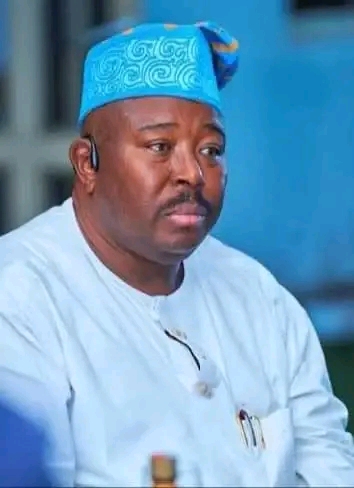
By Wale Omoboyesola
Senator Sharafadeen Alli is entitled to question the expenditure and performance of the Oyo State Government. In a democracy, accountability is necessary. But accountability must be based on accurate figures, proper context and verifiable facts—not simply on political rhetoric.
The claim that the Adamasingba Stadium’s inability to host Shooting Stars’ CAF Confederation Cup match automatically proves that the Makinde administration wasted money is too simplistic.
Yes, Shooting Stars could not use Adamasingba for its 2026 CAF Confederation Cup home fixture. That is a fact. The club subsequently played its home fixture at the MKO Abiola Sports Arena in Abeokuta.
But there is an important fact that Senator Alli’s statement leaves out: the issue was not peculiar to Shooting Stars or Adamasingba. Shooting Stars management explained that CAF approved only three Nigerian stadiums for the competition, meaning Nigerian clubs participating in continental competitions had to choose from the limited number of approved venues.
CAF’s own regulations also explain that renovated or refurbished stadiums are subject to CAF inspection and that approval depends on compliance with the requirements for the particular competition.
Therefore, the proper question is not simply, “Why was Adamasingba not approved?” The more useful questions are: What specific requirements did CAF identify as outstanding?
When was the inspection conducted? What remedial work is required? And what is the plan to secure approval for future continental matches?
Those are questions that the Oyo State Government should answer transparently.
On the streetlights, Senator Alli’s argument also requires careful examination. The Light Up Oyo project has indeed attracted criticism over its power source. Earlier reporting documented that the project initially relied on diesel generators and that the government said its longer-term plan was to transition through gas/inverter arrangements toward the state’s Independent Power Project.
But throwing around figures such as ₦250 billion or ₦400 billion without producing the contracts, payment schedules, project scope and audited expenditure does not establish wastefulness.
Interestingly, the report itself uses different figures while making its argument. That alone should tell us that serious allegations concerning public funds deserve documentary evidence.
If Senator Alli believes that ₦250 billion or ₦400 billion was actually spent improperly, the solution is straightforward: publish the evidence and demand an independent audit. Let the contracts, invoices, certificates of completion, payment records and technical reports speak for themselves.
Political debate should not become a contest of who can use the biggest figure.
Governor Makinde should equally be prepared to explain the cost, design, power arrangements and sustainability of the streetlight project, just as he should explain why Adamasingba has not yet secured the required CAF approval.
But criticism must be fair.
A stadium failing to secure CAF approval for a particular competition is a matter requiring explanation and correction; it is not, by itself, proof that the entire renovation was fraudulent or wasteful. Likewise, the use of diesel generators during a transition in an electricity project raises legitimate questions about sustainability and cost, but it does not, without financial and technical evidence, establish the allegation of hundreds of billions of naira being wasted.
Senator Alli should therefore present the documents, not just the allegations.
The 2027 political contest will come and go, but the infrastructure being discussed belongs to the people of Oyo State. The objective should therefore be to establish what was spent, what was delivered, what failed to meet the required standard, who was responsible, and what is being done to correct it.
That is a conversation worth having.